
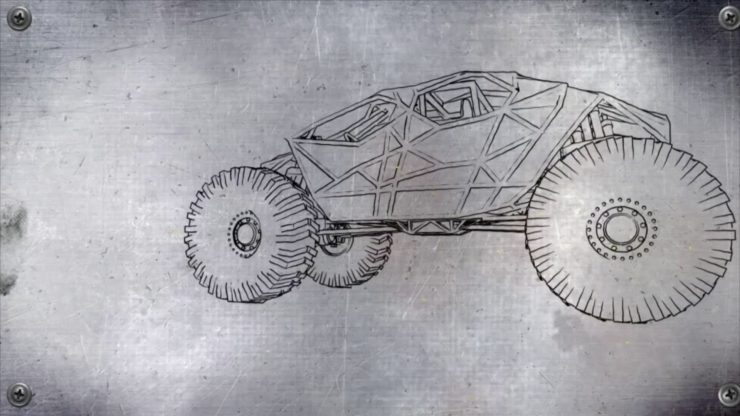
Heavy D is commissioned to design and build a 1,000-gallon fuel truck and a diesel-powered helicopter bucket to spread fertiliser for a timber business in Oregon.
Early Morning
1am
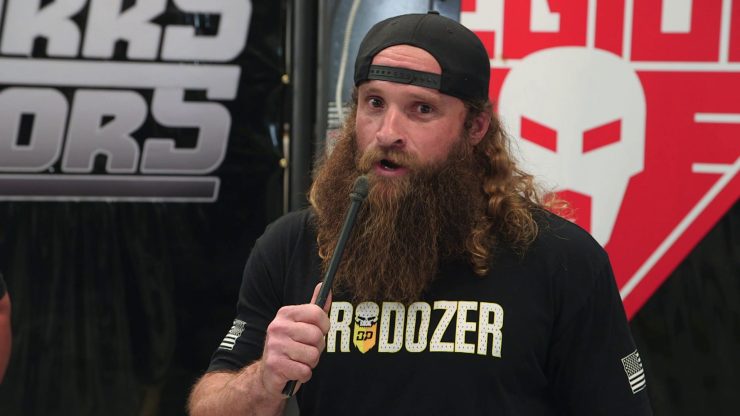
Diesel Brothers - Season 2
Heavy D builds two custom fertiliser spreaders and a custom fuel truck for a friend's helicopter business in Oregon. Plus, he picks up a unique Swiss overland camper.
2am

Diesel Brothers - Season 2
Heavy D continues trying to salvage a wrecked overland camper from Europe, hoping for a big payday. Meanwhile, Sam designs a hub-centric, diesel-powered bicycle.
3am

Diesel Brothers - Season 2
Off-road racer RJ Anderson enlists Heavy D to trick out his Ford Raptor. Meanwhile, the guys challenge the Goons Garage and Welder Up to a Tuff Truck rematch.
4am

How Do They Do It? - Season 12
How do they harvest and process the world's toughest and most expensive nut? How do they turn lake water into tap water? How do they hold back fans at gigs?
4:30am
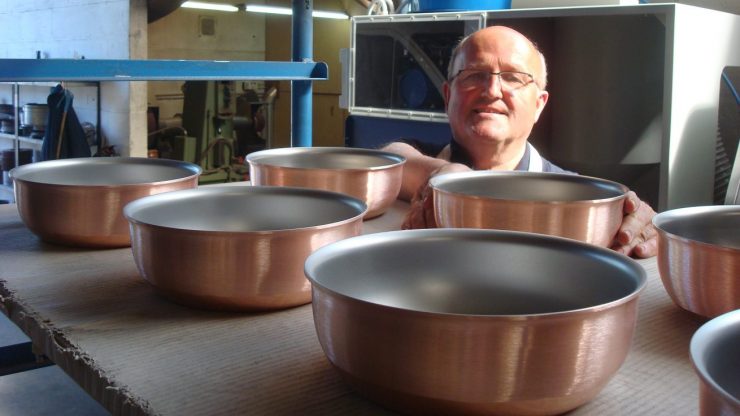
How Do They Do It? - Season 12
How do they build the biggest apartment block on the planet? How do they make the classic British boot? How do they make cooking pans last a lifetime?

6am

How It's Made - Season 23
More everyday items go under the microscope. How are objects including time-delay locks, crystal chandeliers, brownies and pallet dispensers made?
6:30am

How It's Made - Season 23
More everyday items go under the microscope. How are objects including bead wire, leather gloves, mini pepperoni, irrigation sprinklers made?
7am

Truce Or Consequences - Part 1
Gold Divers - Season 11
Shawn and Kris attempt to settle their feud for good. In the hopes of jump-starting his season, Zeke embarks on a marathon suction dredging campaign.
8am

Building Off The Grid - Season 1
A husband wants to surprise his wife with a family holiday home on the edge of a rock quarry in Tennessee. He only has 35 days to complete the project.
Morning
9am

Baggage Battles - Season 4
The buyers return to Georgia, but this time take their auction battle out of Atlanta to the city of Commerce. Artefacts and iconic advertising pieces are up for grabs.
9:30am

Baggage Battles - Season 4
An eclectic mix of items calls to the buyers, drawing them back once again to do battle in Nashville. Items include a box full of license plates.
10am

American Chopper: Senior vs Junior - Season 8
Junior lands the biggest job of his career when he is asked to build a bike inspired by the restoration of Ground Zero. And there are rumours that Rick is...
11am

Wheeler Dealers - Season 14
Mike and Ant answer questions from fans across the globe. In the process, they reveal on the inner workings of the series and look back at the last eight cars.
Afternoon
12pm

Wheeler Dealers - Season 15
Mike finds a rare beast: a 1976 Mercury Capri MK2 with the classic 2.8 litre V6. However, it's not without its problems, which means a lot of work for Ant.
1pm
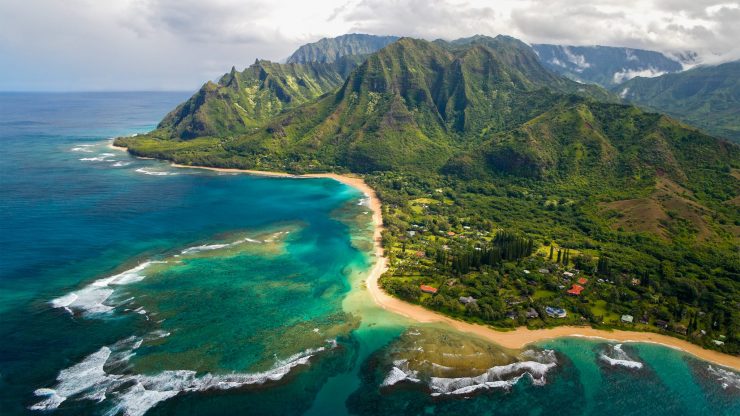
Building Off The Grid - Season 1
A bamboo-home architect builds his own getaway in Hawaii. It features a luxurious outdoor bath area and detached, starlit master bedroom.
2pm

Building Off The Grid - Season 1
A young family builds a ranch outside San Antonio. They face winter monsoons and freezing temperatures in their race to complete the project before summer.
3pm

Gold Rush - Season 13
Parker's crew tears through Klondike ground and takes on a new runway project. Fred faces off with his son when the excavator breaks again.
4pm

Homestead Rescue - Season 3
Marty must move a failing cabin onto a flood-proof foundation while Matt teaches an ill mother how to face her fear of invasive hogs.
5pm

Homestead Rescue - Season 3
The Raneys tackle a treehouse cabin on the verge of collapse in Missouri. Misty constructs a greenhouse out of scavenged windows, and Matt builds a workshop.
Evening
6pm

American Chopper: Senior vs Junior - Season 8
Junior unveils the biggest build of his career at Ground Zero in NYC, OCC works on two bikes and a rival challenges OCC and PJD to a three-way build-off.
7pm

Wheeler Dealers - Season 18
Mike has found a rare, 33-year-old Peugeot 405 while in Portugal. But finding parts isn't going to be easy. Can Mike and Elvis turn a profit?
8pm

Expedition Bigfoot - Season 1
Russell finds a structure he believes is a Bigfoot nest. Meanwhile, new team member Ronny joins Mireya in a race to the nest to collect DNA samples.
9pm

Wheeler Dealers World Tour - Season 1
In Poland, Mike and Elvis find a weathered Polski Fiat 126. After their restoration, they go on a snow-covered joyride alongside other loyal 126 fans.
10pm

Roadworthy Rescues - Season 2
Derek teams up with his brother Sean to try to convert a 1966 Oldsmobile F-85 into a timeless cruiser. But the engine is keeping a horrible secret.
11pm

Combat Dealers - Season 4
A client wants a German half-track armoured personnel carrier converted into a Pioneer variant, used by the German army during the Battle of the Bulge.